 EN

Custom Sportswear Embroidery: A Factory Approval Guide Before Bulk Production
A factory can only reproduce what has been defined and approved. For custom sportswear embroidery, the most common production problems do not begin at the machine. They begin when artwork, thread, placement or sample comments are approved separately instead of as one controlled instruction.
From a factory point of view, custom sportswear embroidery needs a clear path from artwork to bulk release. The factory must know which file is final, what size the decoration will finish at, which thread colours are approved, where the design sits on the garment, and which sample represents the standard for production. This guide explains the custom sportswear embroidery checkpoints that buyers should complete before a bulk order is released.
1. Provide production-ready artwork for custom sportswear embroidery
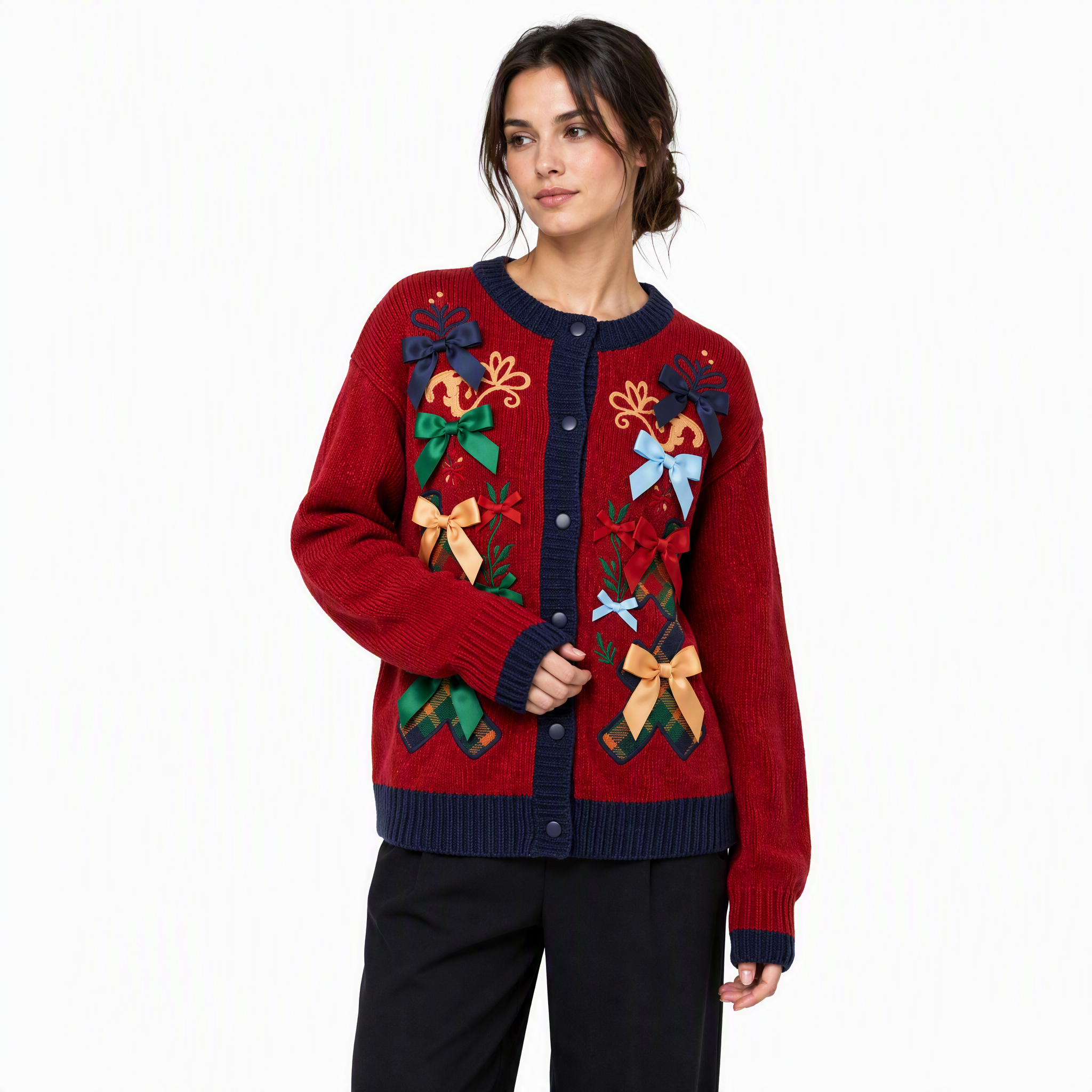
The first custom sportswear embroidery step is artwork control. Send the factory a final vector file whenever possible, together with a revision name that can be quoted on the sample and purchase order. A file such as Logo-FrontChest-R03.aiis easier to control than several files called “final”, “final-new” or “latest”.
The factory uses the artwork to create a stitch file. This conversion is not the same as printing an image. In custom sportswear embroidery, small letters, thin outlines, narrow gaps and tight corners may need adjustment so the stitched result remains clear. The factory should identify these changes before making the sample. A buyer should then approve the adjusted stitch interpretation, not only the original artwork.
Un brevis pro sportswear personalisatus practicus includit latitudinem et altitudinem finitas intentas. Eadem descriptio bene potest operari in magna dimensone dorsalis-cervicalis, sed minutiis carebit in parva dimensone pectoralis. Confirmare dimensonem antequam digitatur, quia dimensio afficit tegmentationem fili, perspicuitatem litterarum et densitatem punctorum.
2. Usare specimen ad approbandum brodatorium vestium team in textili reali
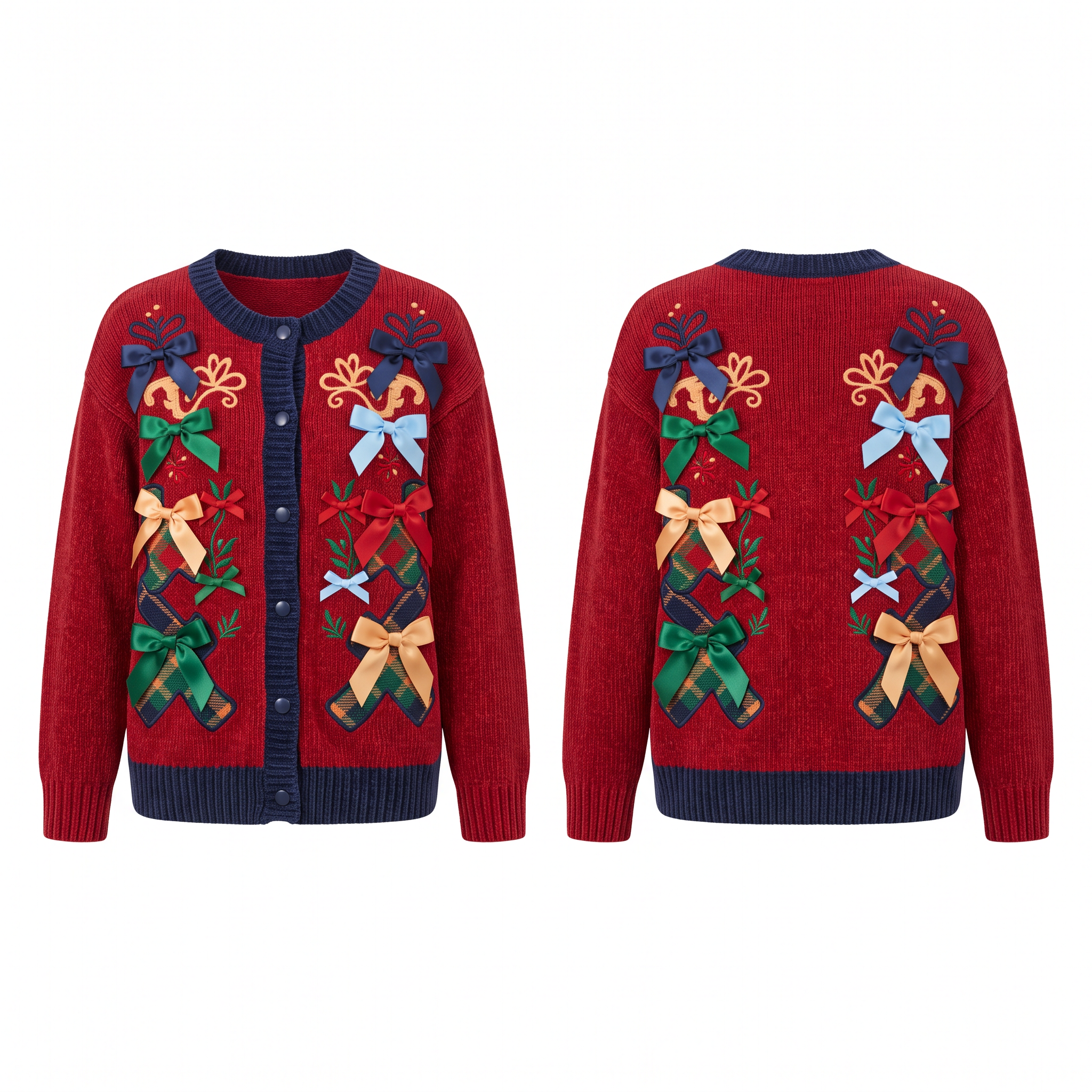
Probatio digitalis utilis est pro dispositione, sed non potest ostendere performancem finalem brodatorii vestium team. Fabbrica debet praebere specimen physicum in textili productionis aut in textili proxime simili. Color textilis, extensibilitas, crassitudo et superficies finita omnes afficiunt aspectum fili post sutionem.
During a teamwear embroidery review, check whether the thread stands out from the garment background. Pale thread can lose contrast on heather fabric, while dark thread can disappear on navy or black. Check the sample from a normal viewing distance as well as close up. Teamwear embroidery must be readable when the garment is worn, not only when a photograph is enlarged.
The sample also shows whether the fill is even. If ground fabric is visible through the stitches, the factory may need to adjust underlay, thread or density. If the decoration feels too heavy, the thread weight or stitch plan may need revision. For teamwear embroidery, the result should balance visibility, durability and comfort.
Record the exact thread codes in the approval record. Colour names such as red, white or royal blue are not enough for production. The thread code gives the factory a repeatable instruction for teamwear embroidery across samples and bulk units.
3. Usare un elenco di controllo per l’approvazione del ricamo prima di accettare il campione
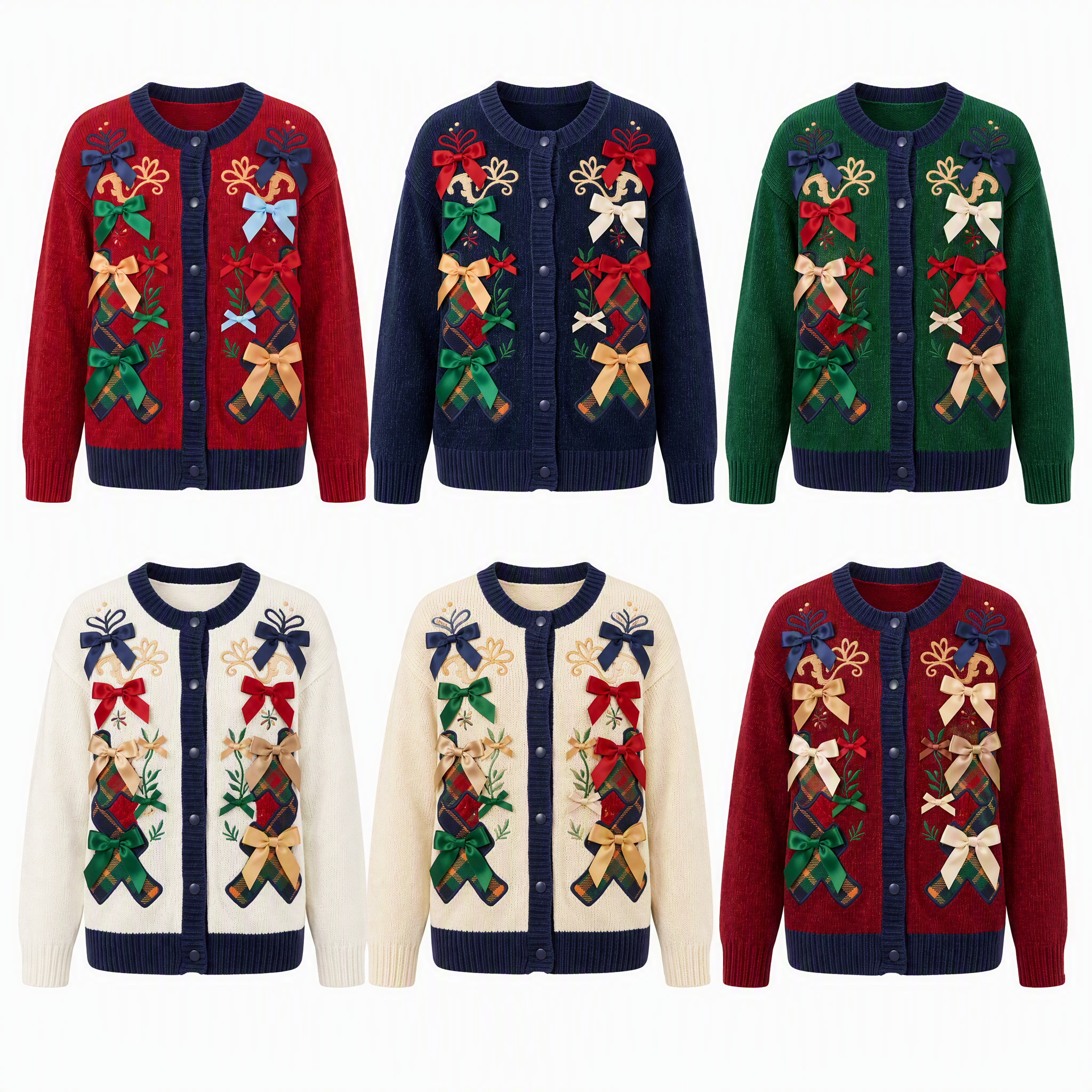
Un elenco di controllo per l’approvazione del ricamo trasforma i commenti visivi in informazioni utilizzabili per la produzione. Invece di rispondere «va bene» a una foto del campione, esaminare ciascun elemento che lo stabilimento dovrà ripetere per ottenere lo stesso risultato.
Un elenco di controllo utile per l’approvazione del ricamo dovrebbe includere:
- file definitivo dell’opera grafica e numero della revisione;
- larghezza e altezza finali della decorazione;
- codici filo per ogni colore;
- fotografie del ricamo eseguito (stitch-out) o del capo finito;
- modifiche accettabili ai dettagli rispetto all’opera grafica originale;
- dettagli del supporto (backing) o del stabilizzatore;
- correzioni richieste sul campione, se presenti.
The embroidery approval checklist should also state whether the approval applies to one garment style or to several styles. A logo approved on a heavyweight hoodie does not automatically approve the same design for a lightweight training shirt. Fabric movement and backing requirements may differ.
The factory benefits from an embroidery approval checklist because it reduces contradictory comments. The buyer benefits because the approved sample becomes a reference rather than a memory. When the factory starts bulk work, the embroidery approval checklist should be available to the production team with the final sample images.
4. Define embroidery placement from finished garment points
Embroidery placement should never be described only as “left chest standard”. That wording can produce different results across patterns, garment sizes and factory teams. Good embroidery placement is measured from fixed points on the finished garment.
Pro omni loco brodationis, specifica distantiam ab orlo collari, a medio anteriori, a placo, ab orlo tascae, aut ab alio nominato puncto vestimenti. Etiam latitudinem et altitudinem decorationis enuncia. Photographema exempli notatum utile est, sed mensura scripta loci brodationis est instructio pro productione.
Durante recensione loci brodationis, inspice constructionem vestimenti circa. Zip in medio, apertura tascae, punctum firmans, seames raglan, aut seames lateralis potest impedire decorationem. In textili elasticis, locus brodationis fortasse movendus est ab area motus magni, ut rugae minuantur. In pileolis, locus brodationis considerare debet seames medium et curvaturam partis anterioris.
Fabrika debet confirmare locum ornamenti in tabula secta vel in exemplari consuto antequam productio magna incipiat. Hoc impedit ut logo nimis prope suturam ponatur aut visibiliter moveatur dum vestimentum portatur. Accurata positio ornamenti praesertim important est pro vestimentis turmae, quia ornatio videtur non solum in motu sed etiam in tabula plana.
5. Libera productio cum indice pro productione magna
Ultimum stadium non est altera discussio de forma. Est liberatio regulata. Index pro productione magna fabricae unam versionem confirmatam dat ad producendum et emptori refert ad inspiciendum.
Index pro productione magna debet includere revisionem artis approbatam, magnitudinem ornamenti, codices filorum, dimensiones loci ornamenti, necessitatem substructionis vel stabilisatoris, stylum vestimenti, colorem textus et photographias exemplarium approbatorum. Addas quascumque mutationes acceptas, ut litterae amplificatae aut contornus modificatus, directe ad indicem pro productione magna.
For orders containing several colourways, sizes or garment styles, use the bulk production checklist to identify what carries across and what requires a separate sample. A thread colour or backing method may be suitable for one fabric but not another. The factory should not assume that one approval covers all custom sportswear embroidery combinations.
Before production begins, ask the factory to repeat the specification in its own words: file revision, finished size, thread codes, embroidery placement and backing. Compare this read-back with the bulk production checklist. If any detail differs, correct the record before the embroidery machines begin the full run.
Factory-side warning signs
Sample approval without a named file
If the buyer has approved a sample but no one can identify the artwork revision, the factory does not have a controlled custom sportswear embroidery instruction. Add the file name and revision before release.
Thread selected by colour name only
Si l’instruction dit « utiliser le blanc » sans code de fil, la couleur de broderie pour les tenues d’équipe n’est pas entièrement définie. Confirmez le code à partir de l’échantillon approuvé.
Placement sans mesures
Si le placement de la broderie est décrit comme « standard », « centré » ou « identique à la photo », l’usine pourrait l’interpréter différemment sur la chaîne de production. Utilisez des points de repère sur le vêtement fini et enregistrez les mesures.
Summa Conclusio
Un processus de broderie personnalisée pour les tenues sportives prêt à être exécuté en usine comporte cinq décisions liées : l’œuvre finale, l’échantillon physique, la liste de vérification d’approbation de la broderie, le placement mesuré de la broderie et une liste de vérification signée pour la production en série. Lorsque ces points sont approuvés dans cet ordre, l’usine peut transformer une idée de conception en une broderie répétable pour les tenues d’équipe, avec moins de révisions d’échantillons et moins de malentendus en production.
Index Rerum
- Custom Sportswear Embroidery: A Factory Approval Guide Before Bulk Production
- 1. Provide production-ready artwork for custom sportswear embroidery
- 2. Usare specimen ad approbandum brodatorium vestium team in textili reali
- 3. Usare un elenco di controllo per l’approvazione del ricamo prima di accettare il campione
- 4. Define embroidery placement from finished garment points
- 5. Libera productio cum indice pro productione magna
- Factory-side warning signs
- Summa Conclusio

