 EN


Hybrid Construction for Premium Running Singlets
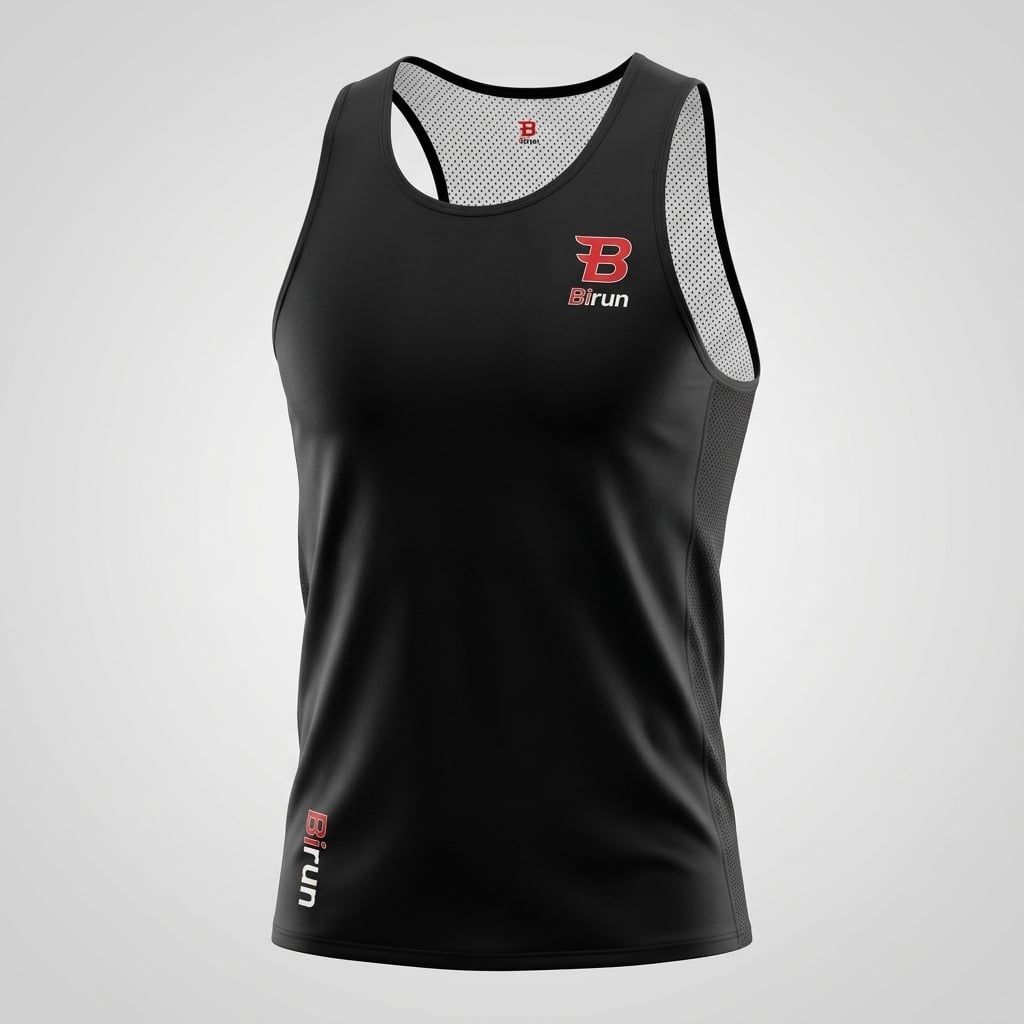
A premium running singlet is not defined by one manufacturing technique. It is defined by how well several techniques work together on the finished garment. A singlet must feel light against the skin, move with the athlete, retain its shape, manage heat and still present a clean branded appearance.
For this reason, a modern running singlet should not be designed as a choice between seamless construction and conventional assembly. It should be developed as a hybrid product. Seamless knitting can create a comfortable base. Precision sewing can reinforce areas exposed to repeated stress. Heat bonding can reduce bulk at selected edges. Laser-cut ventilation can place airflow where the wearer needs it most.
This guide explains how those methods can be combined when developing premium custom running singlets for running, gym training and functional fitness collections.


Begin with the movement map, not the visual mock-up
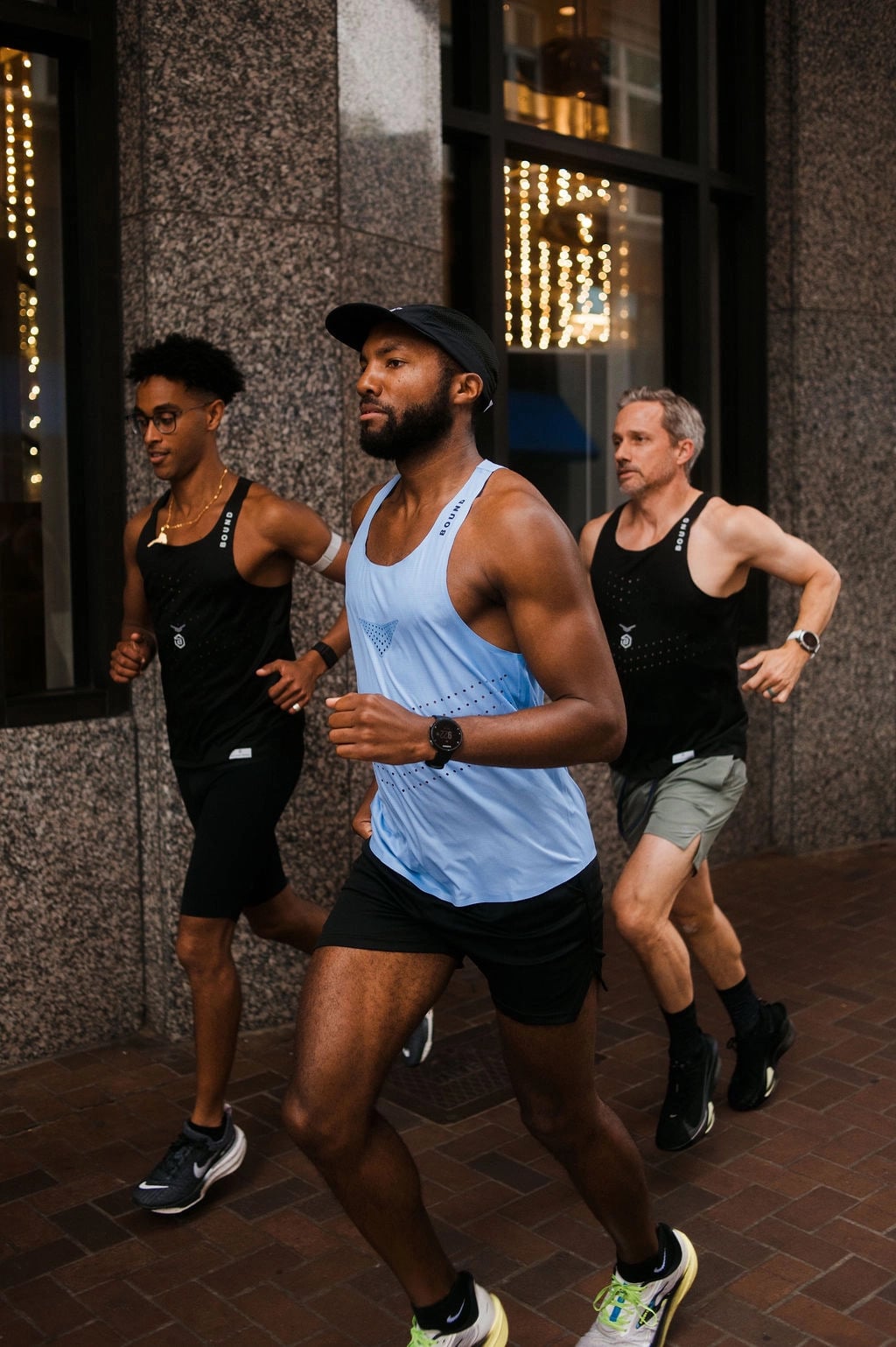
Before selecting a construction method, map how the singlet will move and where the wearer will create heat, tension and friction. The shoulder area works during arm swing. The neckline must recover after washing and wear. Armholes need a durable finish without becoming abrasive. The upper back is an important zone for ventilation during running and training.
This movement map helps a factory decide where seamless knitting, sewing, bonding and ventilation each add value. It also prevents a common development mistake: using the same process across every part of the garment because it looks simpler in a tech pack.
Hybrid development asks a more useful question. Instead of asking whether seamless is better than sewing, the product team asks which method is most suitable for each zone. The answer can be different for the body, shoulder, hem, armhole and back panel.
Use seamless knitting as the comfort foundation
Seamless knitting is well suited to the main body of a lightweight singlet. With seamless knitting, large garment sections are created directly on specialised machines, reducing the number of unnecessary joins through the torso. This can create a smoother next-to-skin surface and reduce the bulk associated with traditional side construction.
For the wearer, seamless knitting can support stretch, recovery and freedom of movement. Fewer bulky joins can also reduce friction during repeated running motion or gym training. For a sportswear brand, a seamless body can give the singlet a clean and elevated appearance before any logo or decorative finish is added.
However, seamless knitting is not a reason to ignore the rest of the construction. The yarn, knitting density and panel structure still need to match the intended activity. A singlet for higher-intensity movement may require different knitting zones from a garment designed primarily for lifestyle wear. During sampling, review the seamless body for fit, recovery, opacity and comfort in motion.
Keep precision sewing where structure matters
Precision sewing remains an important tool in performance apparel. The purpose of sewing is not to replace seamless knitting; it is to reinforce selected areas where construction needs additional strength or control.
For example, sewing can help secure a neckline, stabilise a shoulder area or create a reliable finish at an armhole. Carefully planned sewing can provide structure while keeping the overall garment light. The goal is to use sewing only where it improves the product, rather than adding visible seams by default.
During development, review the sewing line as part of the athlete experience. Check the thread type, seam direction, seam allowance and contact area. A sewing line that performs well on a table may feel different during running, especially if it sits near an area of repetitive movement. The sample should be worn, stretched and washed before the sewing construction is approved.
The strongest hybrid products use sewing as a controlled structural detail. Seamless knitting creates comfort across the body, while precision sewing protects the zones that need reliable reinforcement.
Apply heat bonding for a low-bulk finish
Heat bonding joins selected fabric sections through controlled heat and pressure instead of conventional stitching. In a running singlet, bonding can support a cleaner visual finish and reduce the amount of bulk at selected construction points.
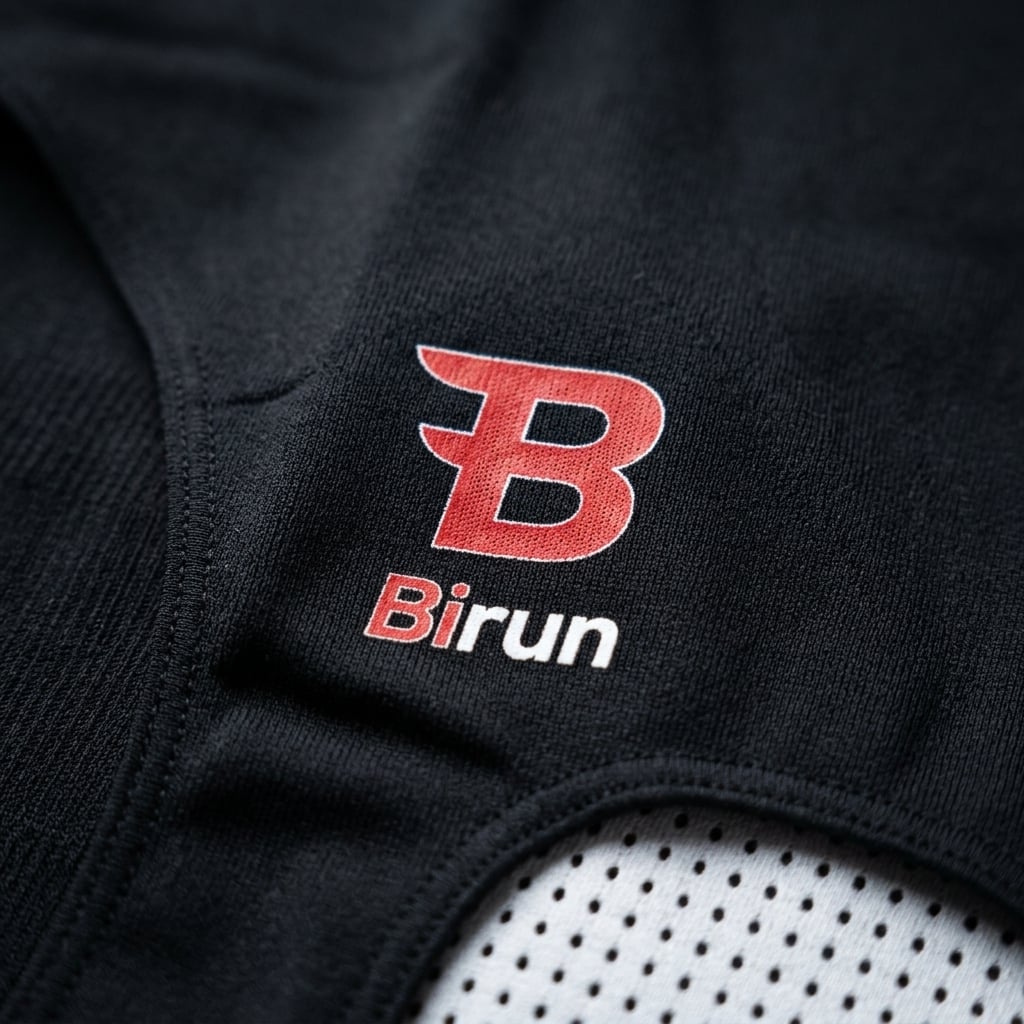
A bonded edge can create a more minimal appearance than a visible sewing line. This makes bonding useful when the design calls for smooth transitions, refined hems or a modern performance aesthetic. For custom products, bonding can also create a clean surface around branding details, reflective elements or colour-block panels.
Bonding must be tested as part of the material system. The fabric, adhesive film, temperature, pressure and bonding time need to work together. A bonding process that looks clean in an early sample still needs wear and wash review. The factory should check whether the bonded area remains secure while the fabric stretches and returns to shape.
Use bonding where it has a clear purpose. It should improve appearance, comfort or bulk reduction. It should not be treated as a decorative substitute for sound garment construction.
Position laser-cut ventilation around heat zones
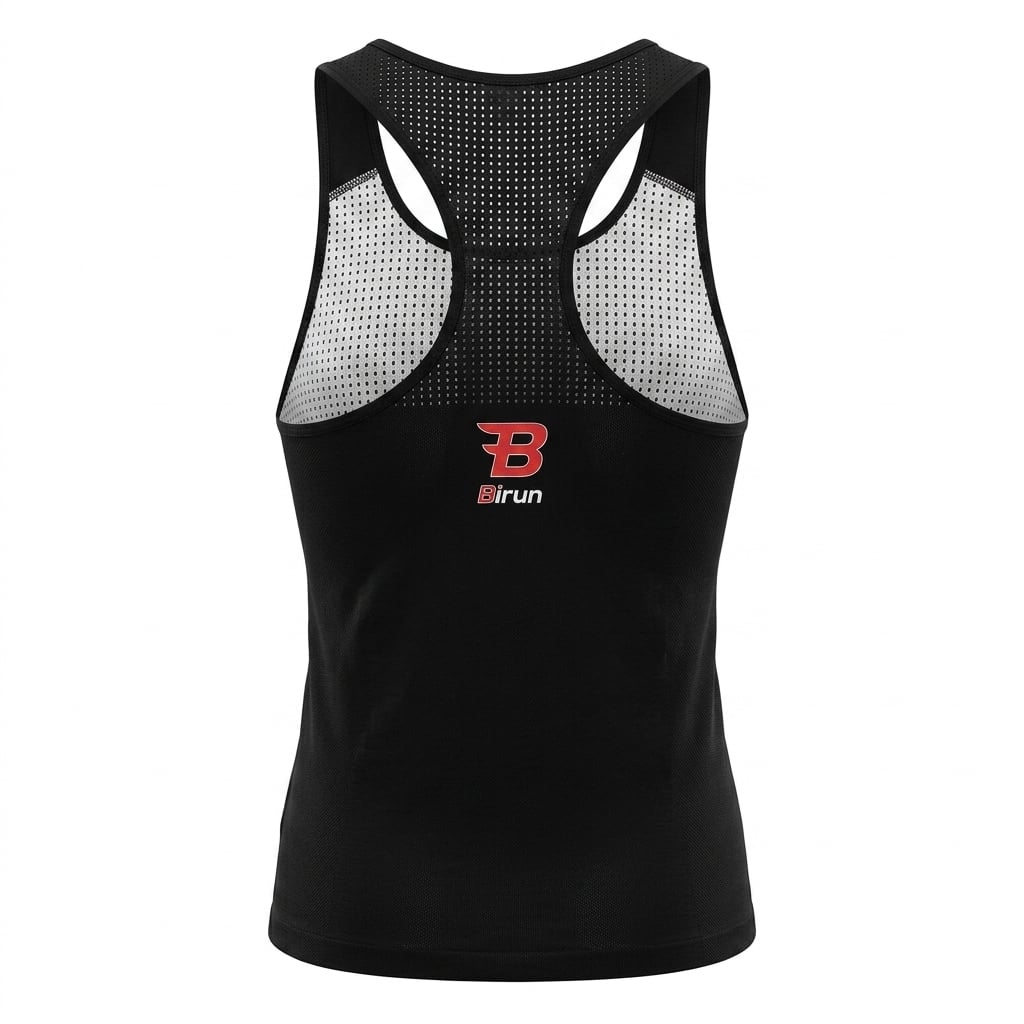
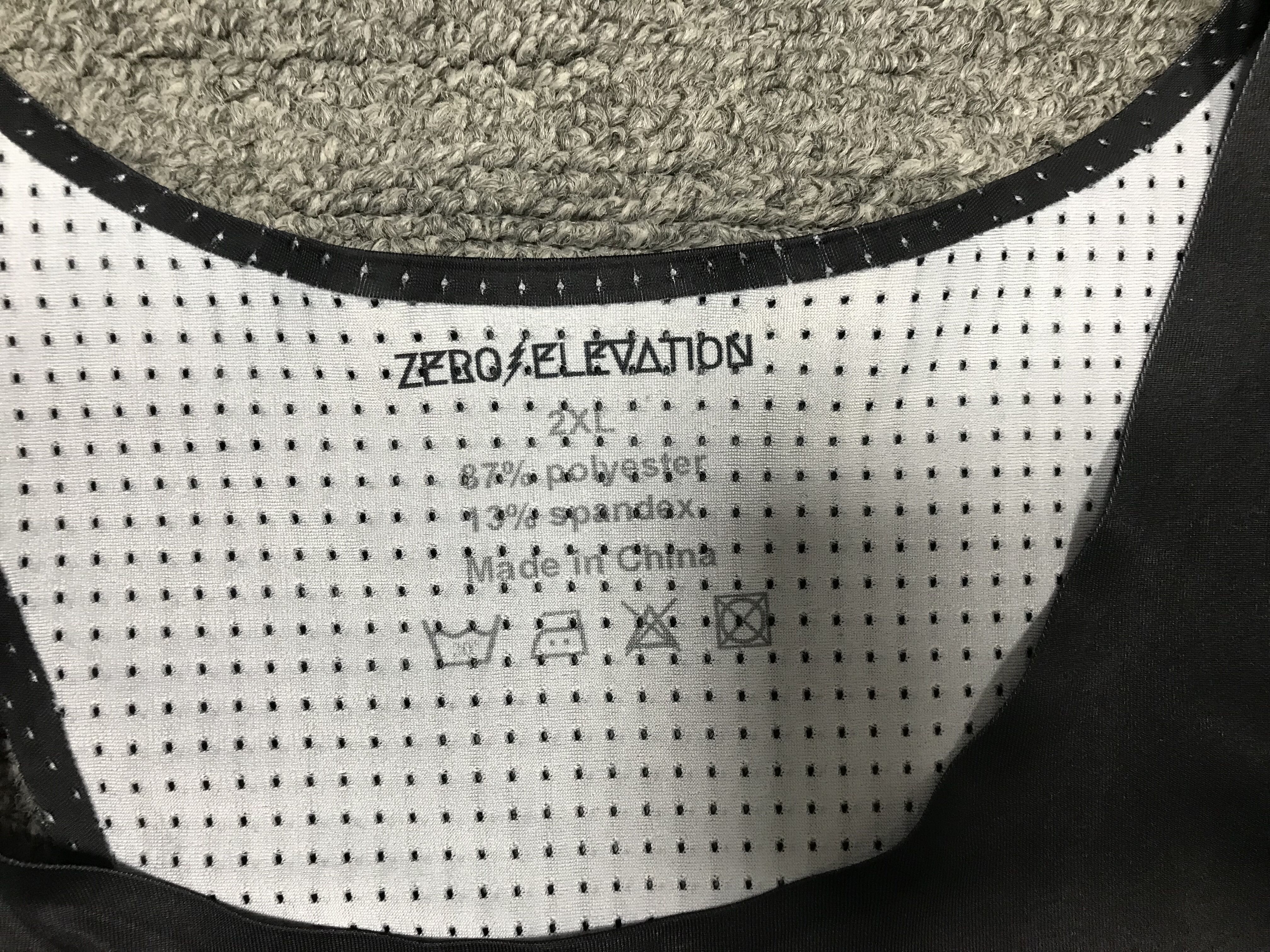
Ventilation is not only a mesh-panel decision. Laser cutting allows small ventilation openings to be placed in targeted areas while preserving a streamlined appearance. For a running singlet, the upper back is a practical ventilation zone because heat can build there during sustained activity.
With laser-cut ventilation, the product team can define the size, spacing and placement of the openings. This creates more design control than adding a large contrasting mesh panel. The pattern can support the garment’s visual identity while improving air circulation and helping moisture evaporate from the skin.
A laser-cut ventilation layout should be reviewed on a worn sample. Check that the ventilation openings stay stable, that the surrounding fabric does not distort and that the placement aligns with the body’s movement. The design should also consider how laser-cut ventilation interacts with logos, reflective details and colour blocks.
Effective ventilation does not require the entire back to be perforated. It requires the right opening pattern in the right location for the intended activity and fabric.
Combine the four methods in one sampling plan
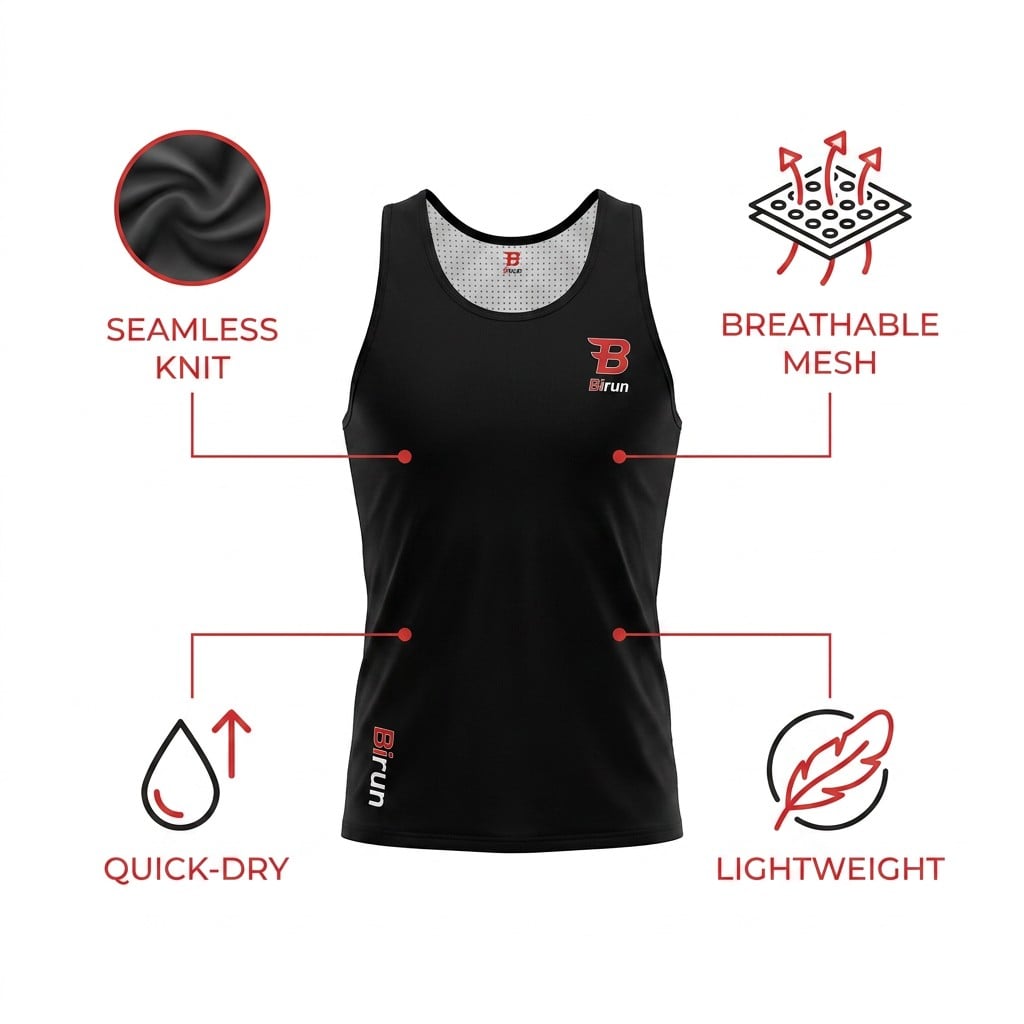
A running singlet sample should show how seamless knitting, sewing, bonding and ventilation interact, rather than treating each method as a separate feature. The sampling plan should list the construction zones and the intended method for each one.
For example, the plan can identify:
- seamless knitting for the main body and stretch zones;
- precision sewing for selected structural areas;
- heat bonding for specific edges or panel transitions;
- laser-cut ventilation for the upper back or other mapped heat zones.
The factory and buyer should then review the same points on every sample: fit, stretch, recovery, seam comfort, bonded-edge security, ventilation placement, logo compatibility and appearance after washing. This approach makes the sample feedback specific. Instead of saying that the singlet needs to feel “more premium”, the team can identify whether the knitting density, sewing line, bonding method or ventilation pattern needs revision.
Build custom options around the construction plan
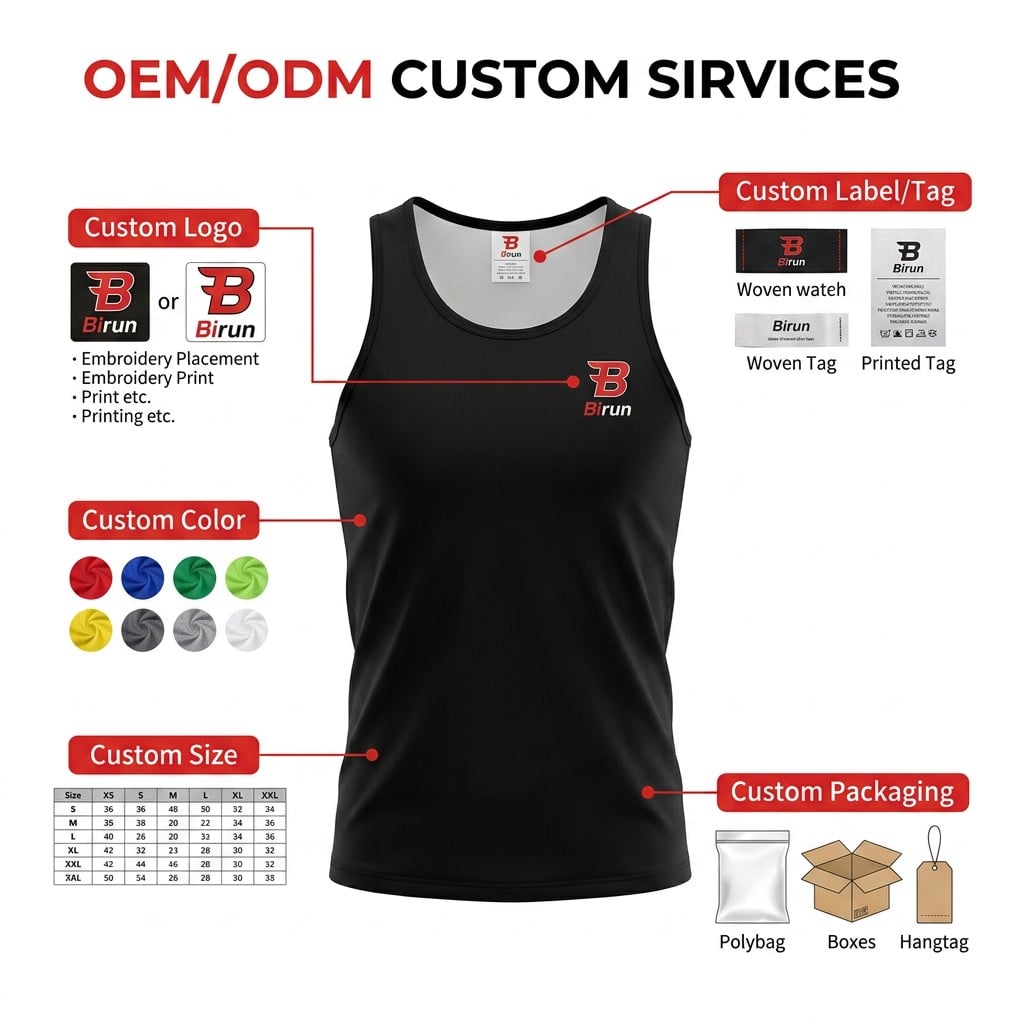
A hybrid singlet can be adapted to different brand directions without changing the core development logic. Custom options may include yarn and fabric selection, seamless knitting structure, colour combinations, Pantone references, heat-bonded details, laser-cut ventilation placement, reflective elements, printed or silicone logos, woven labels, hang tags and packaging.
Each option should be confirmed against the construction plan. A logo position should not block ventilation. A reflective transfer should not sit across a high-stretch bonded edge without testing. A change in colour or yarn should be checked again for knitting consistency and heat-bond compatibility.
This is why a factory-ready brief includes more than an artwork file. It should identify the body construction, sewing zones, bonding locations, ventilation pattern, logo application, labels and sample comments. A complete brief makes it easier to reproduce the approved singlet across colours and sizes.
Release only after performance and appearance agree
The final approval should cover both how the singlet looks and how it behaves. Check the garment after wear, stretch and wash testing. Review whether seamless knitting remains comfortable, whether sewing remains secure, whether bonding stays flat and whether ventilation still looks clean on the body.
Before bulk production, the factory should confirm the approved construction in writing: knitting structure, sewing locations, bonding details, ventilation placement, logo method and the final sample revision. This read-back reduces the risk of a production team using an earlier sample or an incomplete instruction.
Final takeaway
Premium running singlets do not need one technology to solve every problem. Seamless knitting supports comfort and movement. Precision sewing reinforces selected structure. Heat bonding creates a clean low-bulk finish. Laser-cut ventilation targets airflow where it is needed.
When these methods are planned together, a factory can develop custom running singlets that look refined, feel light and support the performance needs of athletes and sportswear brands.
Table of Contents
- Hybrid Construction for Premium Running Singlets
- Begin with the movement map, not the visual mock-up
- Use seamless knitting as the comfort foundation
- Keep precision sewing where structure matters
- Apply heat bonding for a low-bulk finish
- Position laser-cut ventilation around heat zones
- Combine the four methods in one sampling plan
- Build custom options around the construction plan
- Release only after performance and appearance agree
- Final takeaway

